

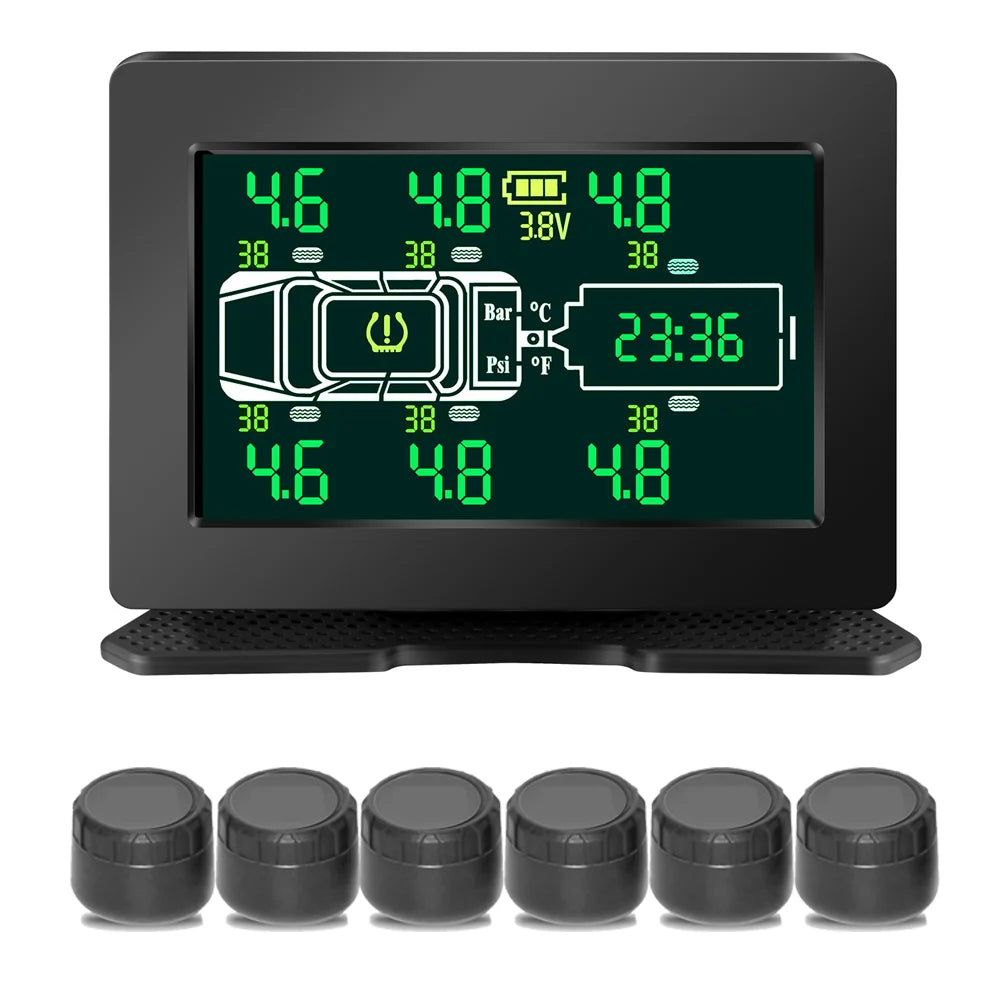
TPMS-Fehlerbehebungsleitfaden: Ausfall von Sensoren, Fehlalarme und Signalverlust erklärt
Ein TPMS, das falsche Informationen liefert, ist schlimmer als gar keine Überwachung. Hier erfahren Sie, wie Sie die drei häufigsten Probleme diagnostizieren und beheben, bevor sie unterwegs relevant werden.
Ein TPMS, das ständig Fehlalarme auslöst, wird irgendwann ignoriert. Ein Sensor, der aus der Anzeige verschwindet, bleibt unbemerkt, bis er gebraucht wird. Eine Anzeige, die nicht mit der Prüfung durch ein Manometer übereinstimmt, lässt Zweifel daran aufkommen, ob das System überhaupt funktioniert. Dies sind die drei Fehlerarten, die das Vertrauen in ein ansonsten nützliches Überwachungssystem untergraben – und alle drei haben konkrete Ursachen und konkrete Lösungen. Das Grundig-TPMS-Sortiment ist für einen zuverlässigen, langfristigen Betrieb ausgelegt, aber kein Überwachungssystem ist immun gegen Umgebungsbedingungen, Installationsvariablen und altersbedingte Faktoren der Komponenten, die diese Probleme verursachen. Dieser Leitfaden behandelt jede Problemkategorie systematisch: Was verursacht sie, wie lässt sich die Diagnose bestätigen und wie wird das Problem behoben?
Die Fehlersuche folgt einer diagnostischen Reihenfolge: Zuerst wird bestätigt, was der Monitor anzeigt, dann wird ermittelt, ob das Problem am Sensor, am Monitor, an der Signalübertragung oder an der Alarmkonfiguration liegt. Anschließend wird die passende Lösung in der Reihenfolge von der wahrscheinlichsten zur unwahrscheinlichsten Ursache angewendet. Die meisten Probleme lassen sich bereits im ersten oder zweiten Schritt der Diagnose beheben.
Problem 1
Ausfall einer Position – Eine oder mehrere Positionen werden nicht mehr auf dem Display angezeigt
Symptom: Eine überwachte Position verschwindet aus der Anzeige oder zeigt Striche an
- Sensor hat nach einem Batteriewechsel oder Zurücksetzen des Monitors die Kopplung mit dem Monitor verloren
- Sensor physisch beschädigt – durch Aufprall auf den Ventilschaft, Hochdruckreiniger oder Reifenmontage
- Sensor wurde beim Reifenwechsel oder -tausch nicht übertragen
- Monitor außerhalb der Reichweite des Sensors (kann bei größeren Anhängern vorkommen)
Problem 2
Fehlalarme – Alarm bei zu niedrigem oder zu hohem Druck wird ausgelöst, obwohl die Reifen korrekt aufgepumpt sind
Symptom: Der Alarm wird wiederholt ausgelöst, aber die Druckprüfung mit einem Manometer zeigt den korrekten Reifendruck
- Überdruckalarm zu niedrig eingestellt — wird durch die normale Reibungswärmeentwicklung während der Fahrt auf der Autobahn ausgelöst, nicht durch tatsächlichen Überdruck
- Temperaturalarm niedriger eingestellt als die normale Betriebstemperatur für diesen Fahrzeugtyp
- Drift der Sensorkalibrierung — der Sensor zeigt durchgehend einen um 3–5 PSI vom Manometer abweichenden Wert an
Problem 3
Intermittierendes Signal — Position wird zufällig angezeigt und verschwindet wieder
Symptom: Eine Position wird auf dem Display nur zeitweise angezeigt — manchmal vorhanden, manchmal nicht
- Feuchtigkeit dringt in das Sensorgehäuse ein — verursacht intermittierende Kontaktkorrosion an den Batterieanschlüssen
- Position des Monitors relativ zum Sensor — Metallaufbau oder Fahrgestell des Anhängers blockiert das Signal in bestimmten Ausrichtungen
- Funkstörungen durch Geräte in der Nähe an bestimmten Orten
- Lockerer Ventilschaft — der Sensor bewegt sich mit der Raddrehung, anstatt stabil zu übertragen
Problem 4
Messwerte stimmen nicht mit dem Manometer überein — konstante Abweichung zwischen Monitor und physischer Messung
Symptom: Die TPMS-Werte liegen bei der Prüfung mit dem Manometer durchgehend um mehr als 2–3 PSI höher oder niedriger
- Temperaturunterschied zwischen der Manometerprüfung und dem TPMS-Messwert – wenn der Reifen bei der Messung warm war und das TPMS den aktuellen Warmreifendruck anzeigt, unterscheiden sich die Messwerte berechtigterweise
- Abweichung der Sensorkalibrierung nach mehreren Betriebsjahren
- Luftverlust während der Manometerprüfung – Stabmanometer können während der Messung eine geringe Menge Luft ablassen
Erstens: Überprüfen Sie das Alter der Sensoren und den Batteriestatus.
Zweitens: Überprüfen Sie, ob die Alarmschwellen für den Druckbereich des Fahrzeugs korrekt konfiguriert sind.
Drittens: Vergleichen Sie die Messwerte mit einem geprüften Manometer, um festzustellen, ob der Sensor oder die Schwellenwerte das Problem verursachen.
Viertens: Überprüfen Sie den physischen Zustand und die Montage der Sensoren.
Erst wenn diese vier Schritte abgeschlossen sind, sollte ein Austausch von Komponenten in Betracht gezogen werden – die meisten Probleme lassen sich in Schritt eins oder zwei beheben.
Wenn Sie Unterstützung bei bestimmten Konfigurationen von Grundig-Systemen benötigen, besuchen Sie die vollständigen Produktseiten für Grundig RV TPMS, Solar 6-Wheel und S08 Heavy-Duty. Dort finden Sie systemspezifische Dokumentation zur Kopplung und Konfiguration.
Grundig RV TPMS
116 PSI, 4/6/8 Räder. Konfigurierbare Schwellenwerte verhindern die meisten Fehlalarmszenarien. Warnung bei niedrigem Batteriestand vor dem Signalausfall. 119 $.
$119
Jetzt kaufen →Solar-TPMS für 6 Räder
Die Solarladung verhindert den Ausfallmodus durch eine entladene Monitorbatterie. 6 direkte Sensoren mit Warnung bei niedrigem Batteriestand, bevor das Signal ausfällt.
$109
Jetzt kaufen →Grundig S08 TPMS
Die Obergrenze von 218 PSI verhindert den Fehlalarm durch falsch konfigurierte Schwellenwerte, der bei Nutzfahrzeugen mit Standard-TPMS-Systemen auftritt. 259 $.
$259
Jetzt kaufen →Zuverlässige Überwachung – bei korrekter Konfiguration und Wartung. Kostenloser Versand für alle Systeme · Ab 119 $
Alle TPMS kaufen →